
Chasing the soft light of Løkken
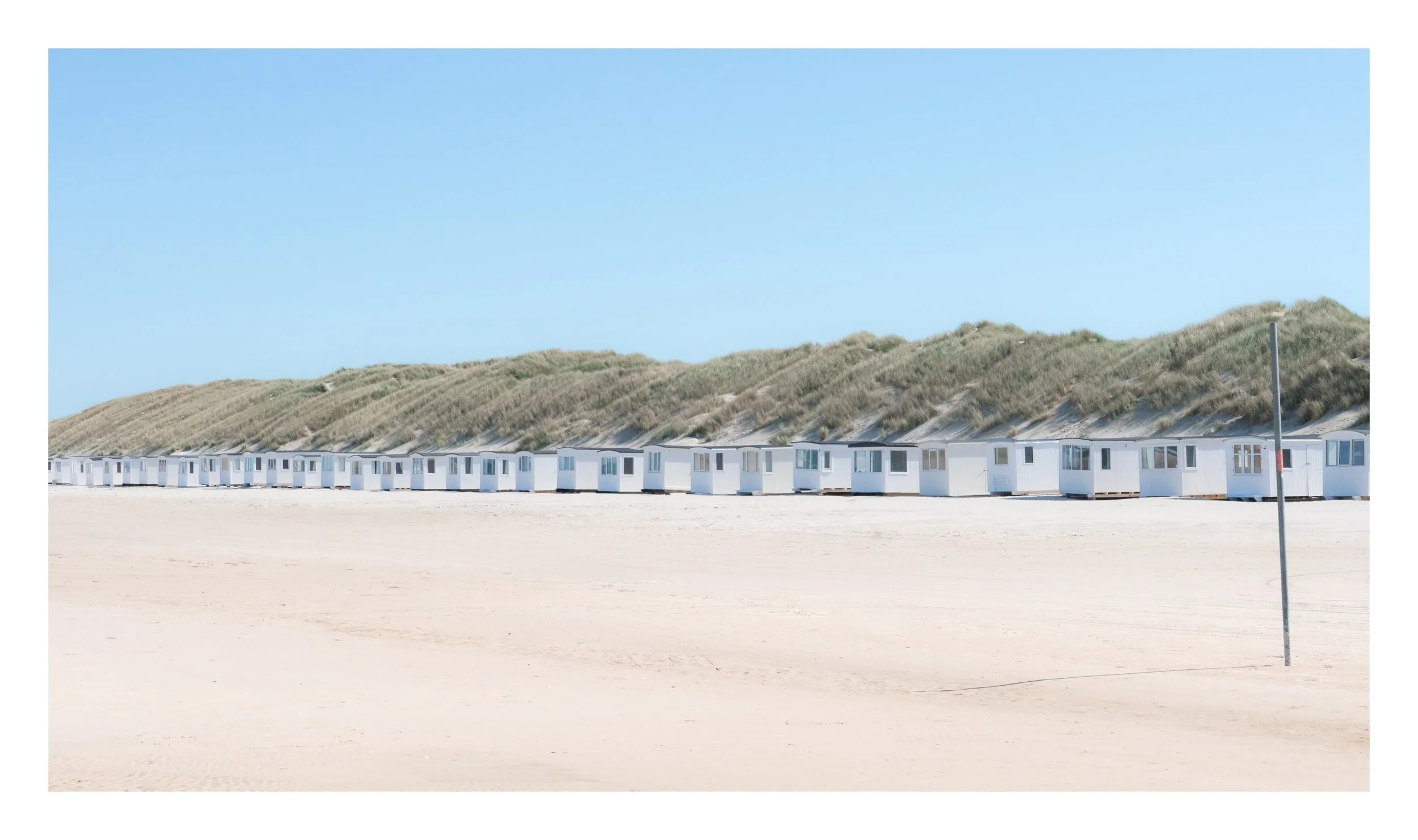
Some locations stay on your photography bucket list for years. For me, Løkken on Denmark’s northwest coast was one of those places.
I had seen countless images of its endless sandy beaches, the iconic white bathing huts lined up along the shoreline, and the beautiful coastal light that photographers often talk about. This spring, I finally packed my gear and headed south with one goal in mind: to experience and photograph that famous Danish light for myself.
A Coast Shaped by Light
Photography is often described as painting with light, and few places demonstrate that better than Løkken.
Unlike the dramatic mountain landscapes I am used to photographing in Norway, Løkken offers something much more subtle.
The landscape is open and uncomplicated. Wide beaches stretch toward the horizon, the dunes create gentle lines and textures,
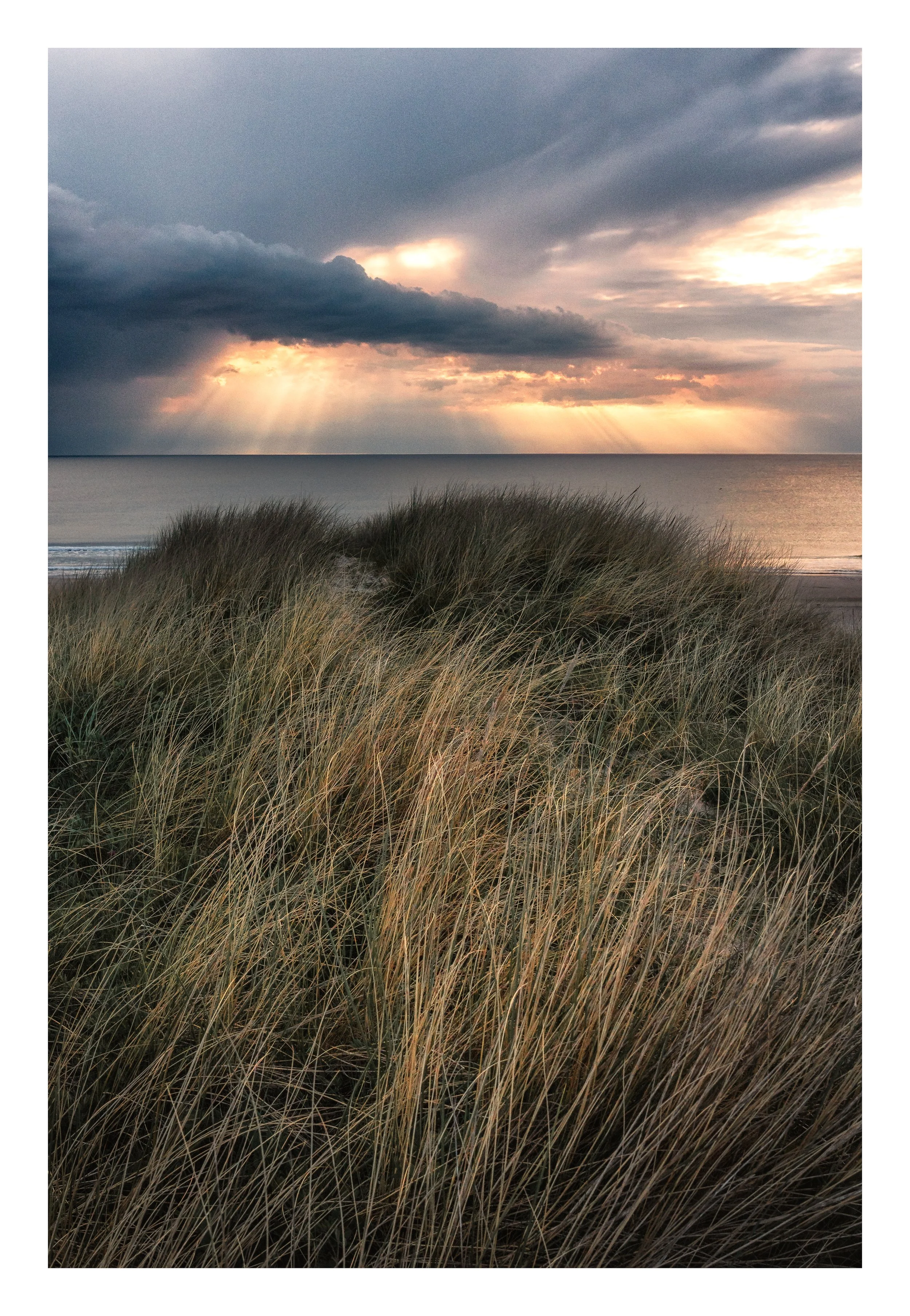
and the North Sea provides an ever-changing backdrop. The simplicity of the scenery allows the light to become the main subject.
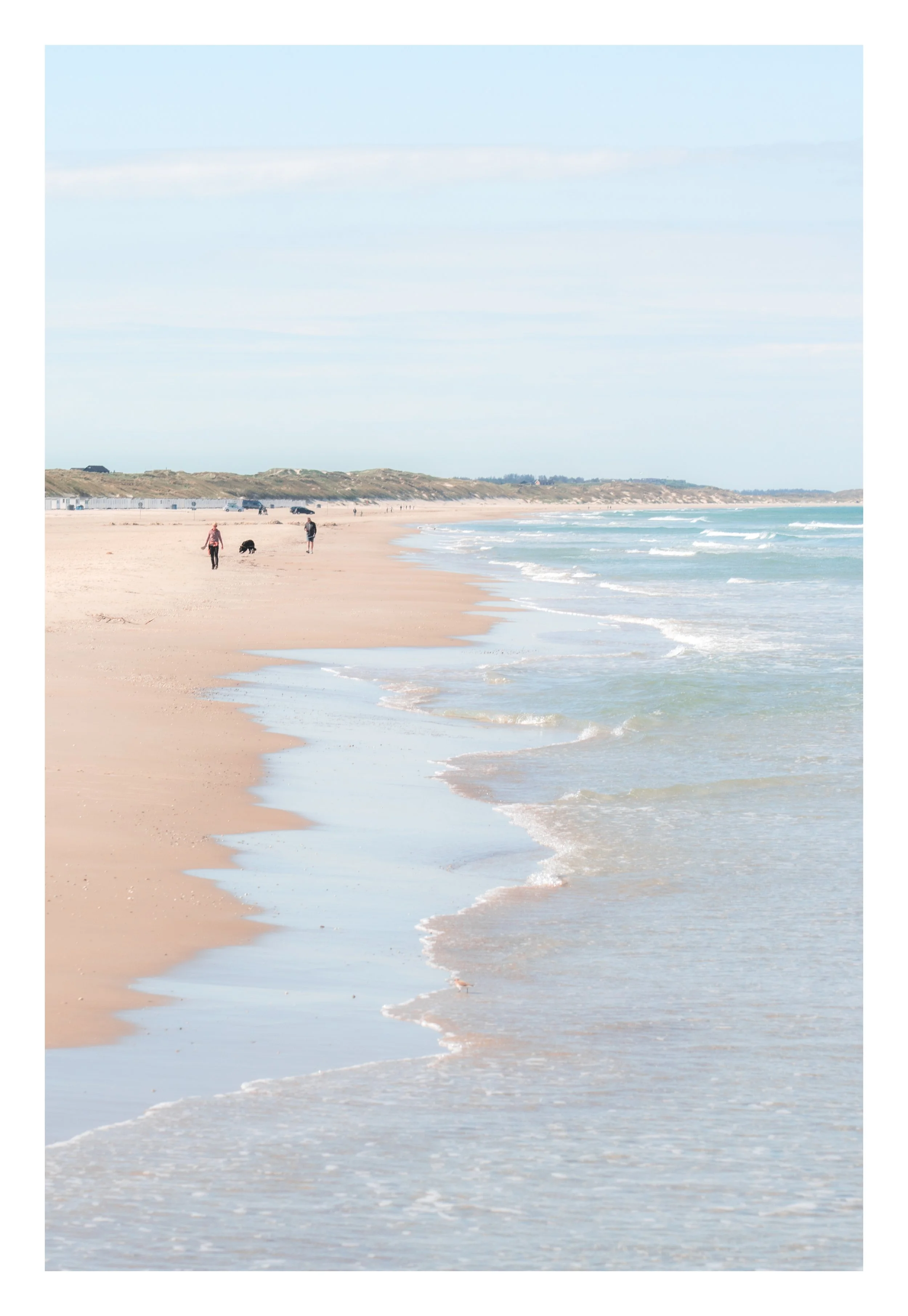
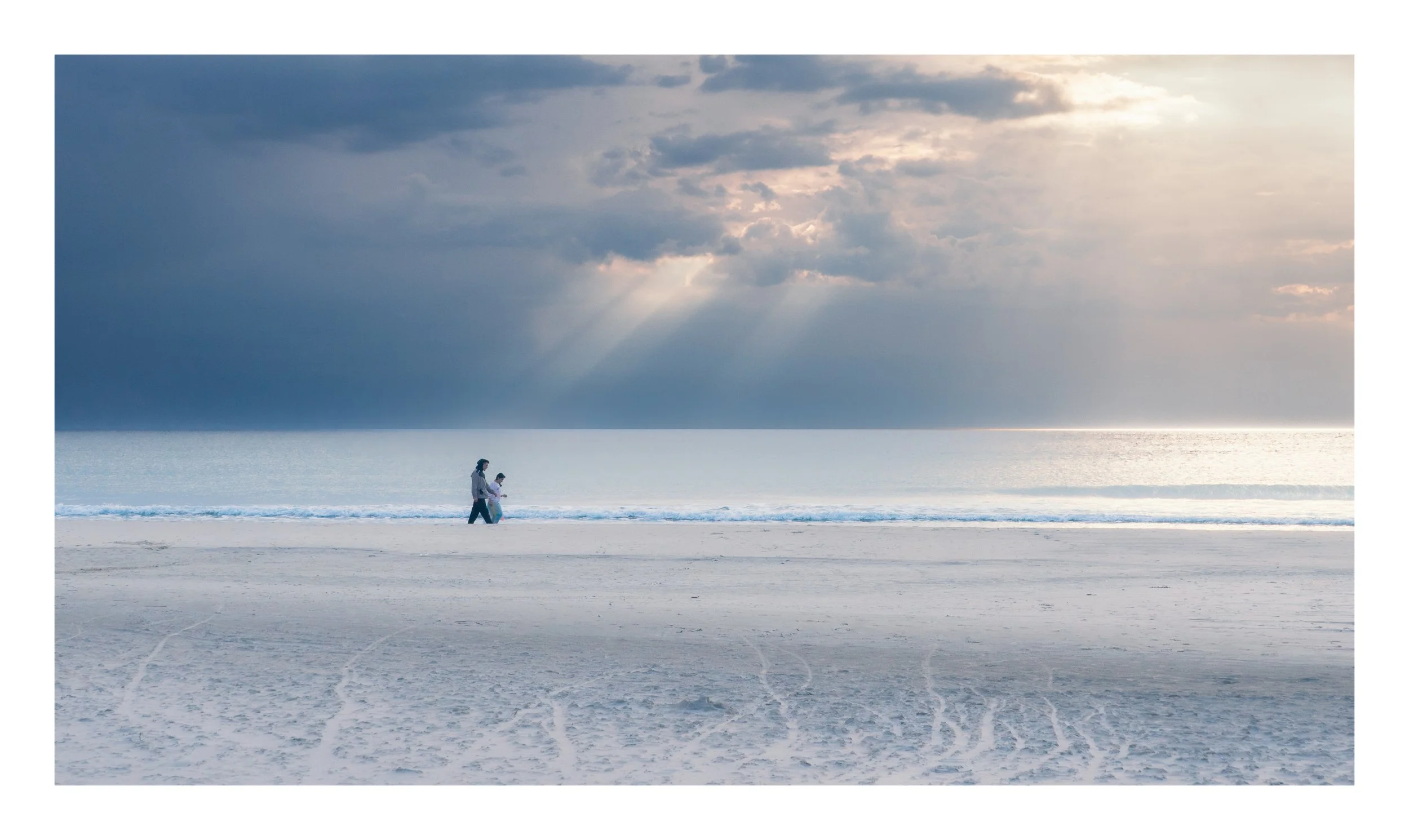
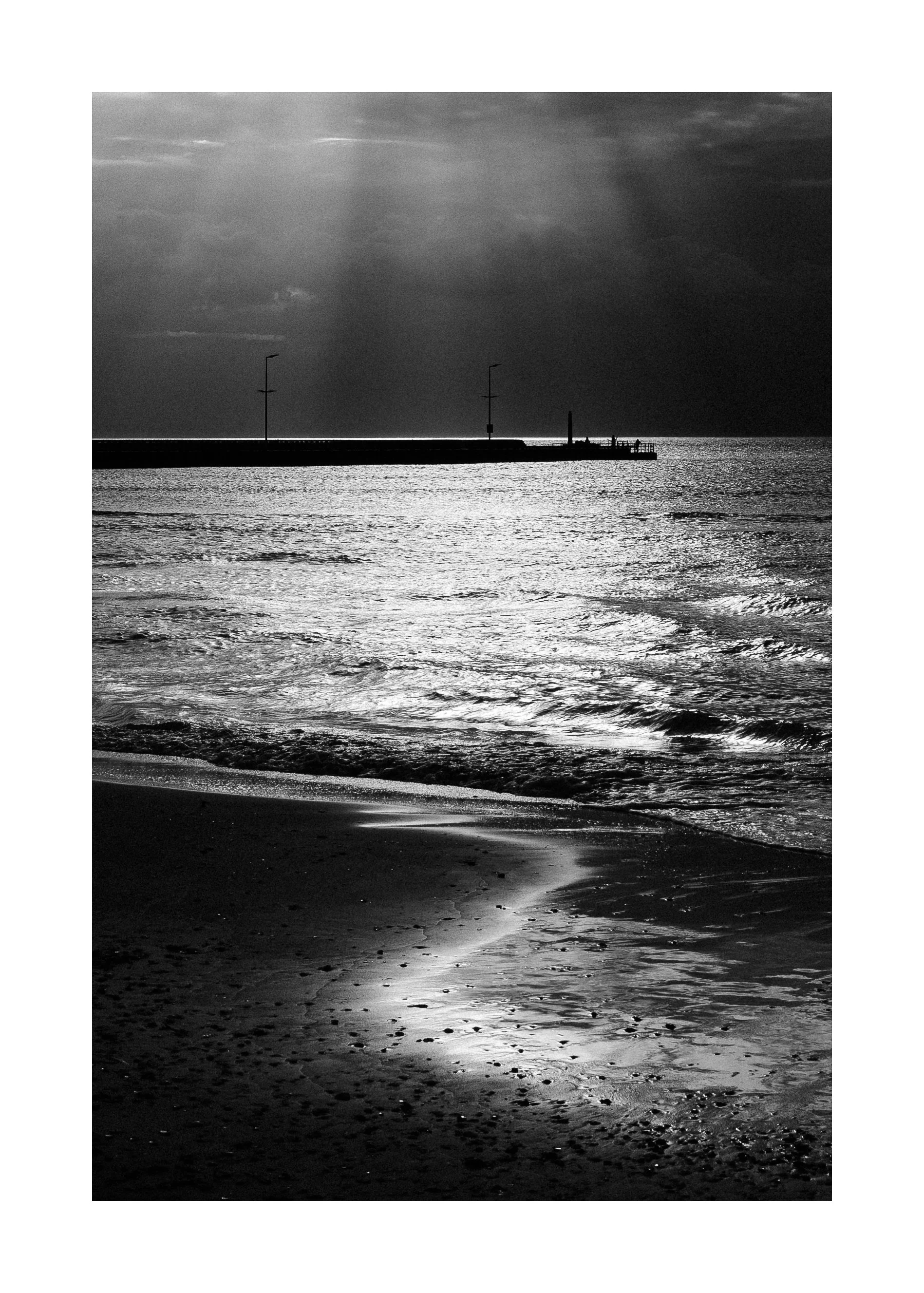
During my stay, I spent hours walking along the shoreline, watching how the soft light transformed the scene from one moment to the next. Clouds drifting across the sky acted like natural filters, creating a constantly changing atmosphere. Sometimes the beach felt almost monochromatic, while moments later warm sunlight would break through and illuminate the sand and sea with beautiful golden tones.
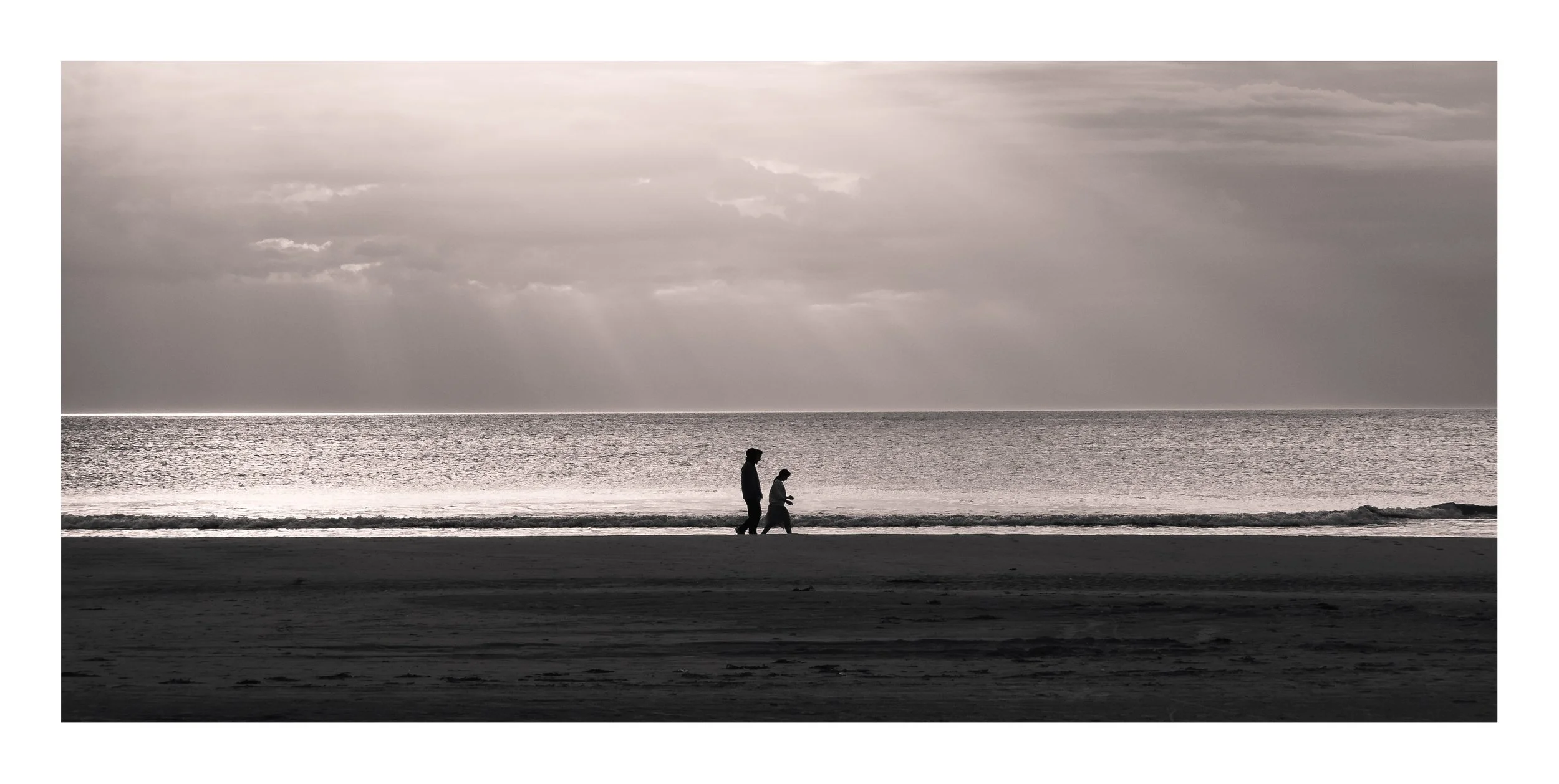
The Famous Bathing Huts
One of the most recognizable symbols of Løkken is its collection of traditional bathing huts.
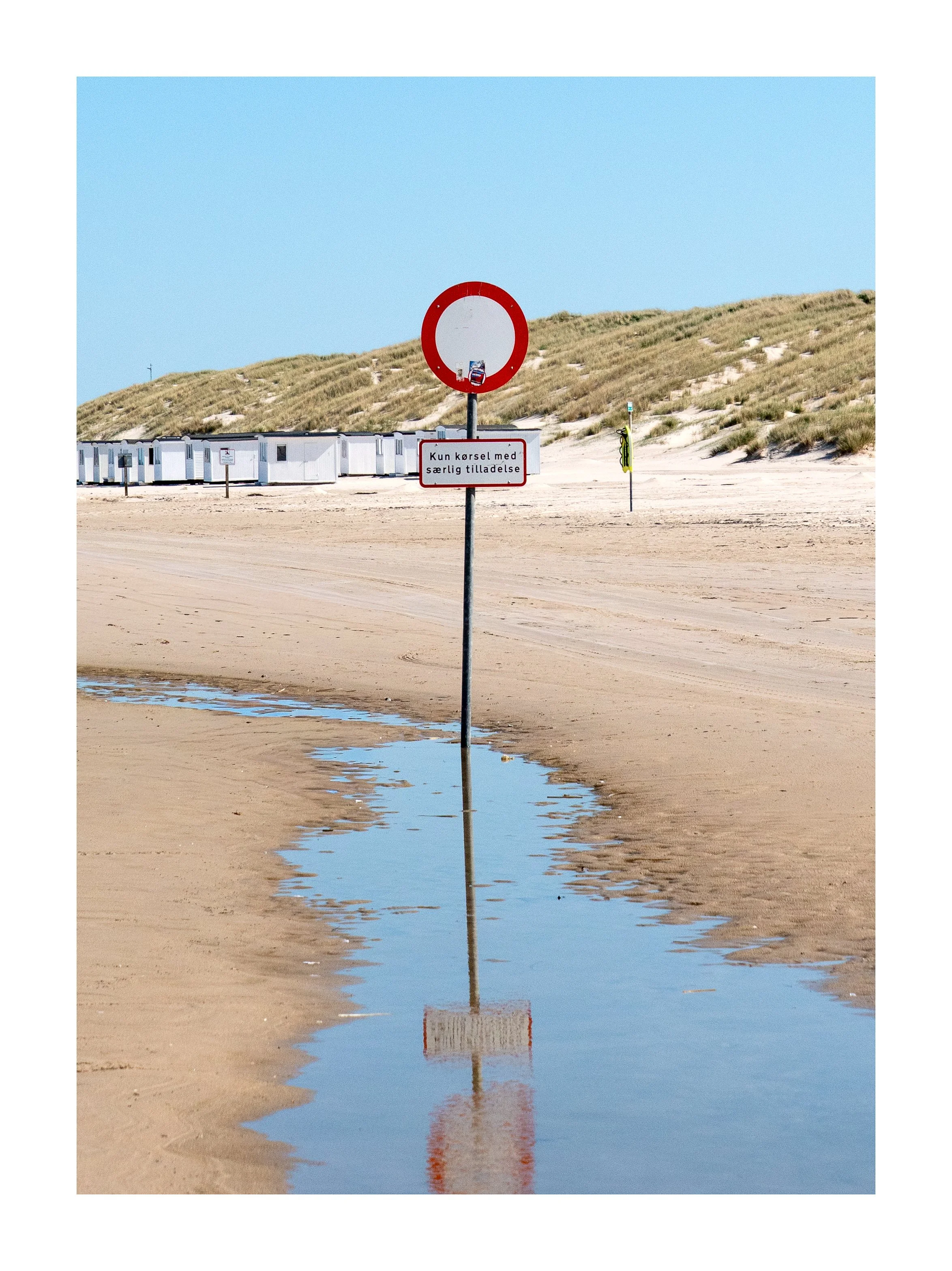
Standing in neat rows along the beach, these small white structures have become an icon of the town. For photographers, they offer endless compositional possibilities. Their repeating shapes create rhythm and balance, while the surrounding sand, sea, and sky provide a minimalist backdrop that changes with the weather and light.
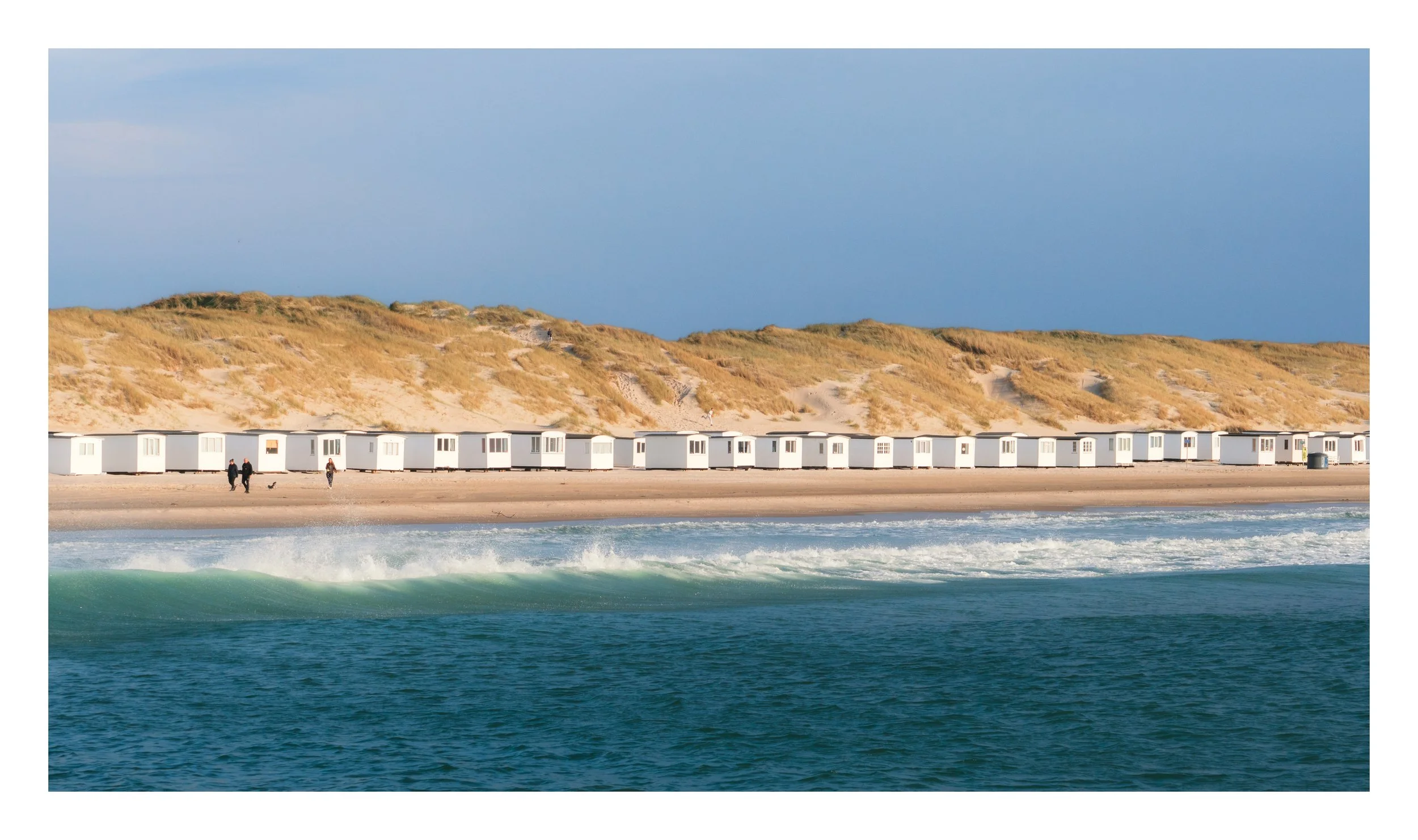
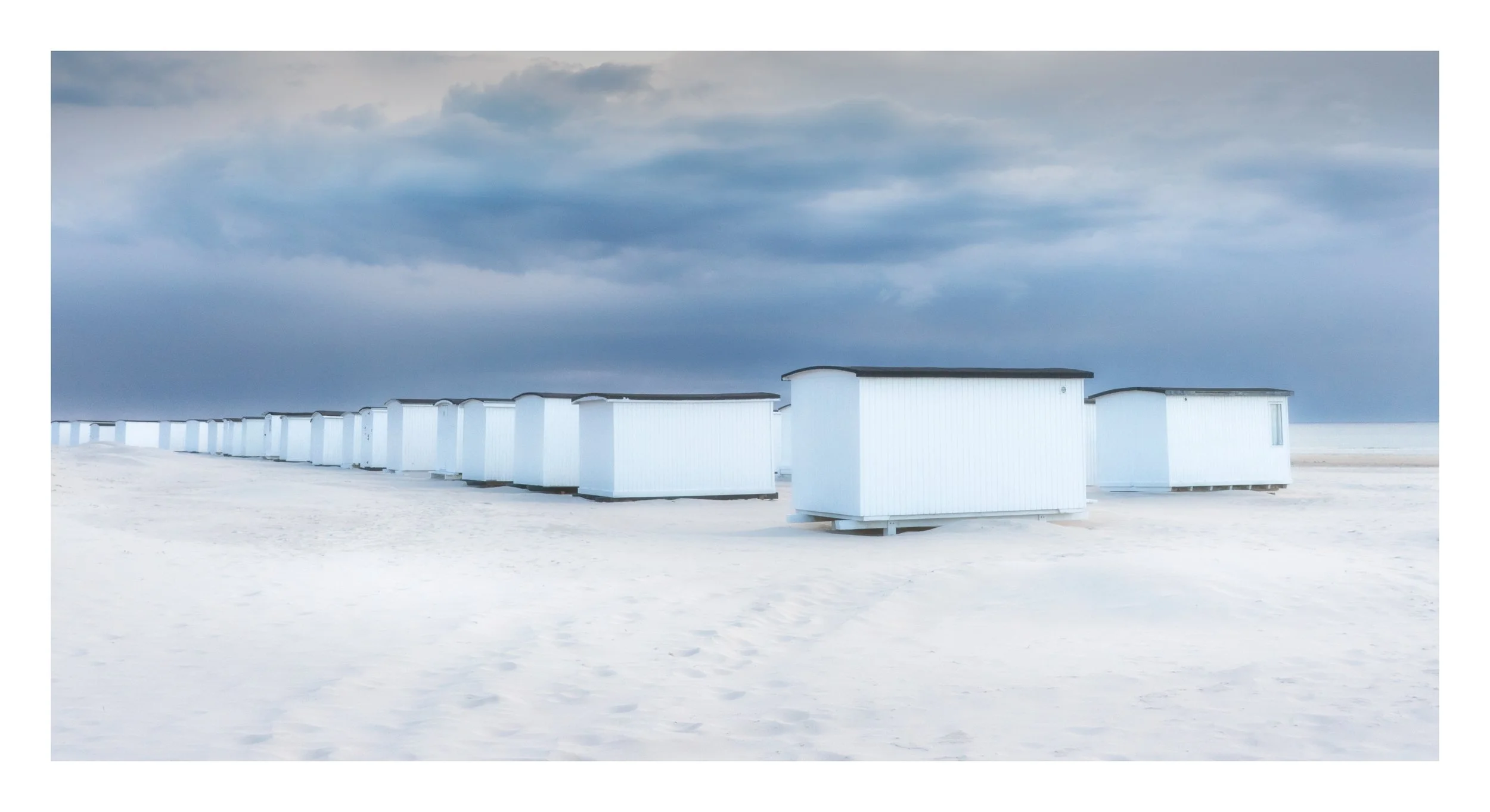
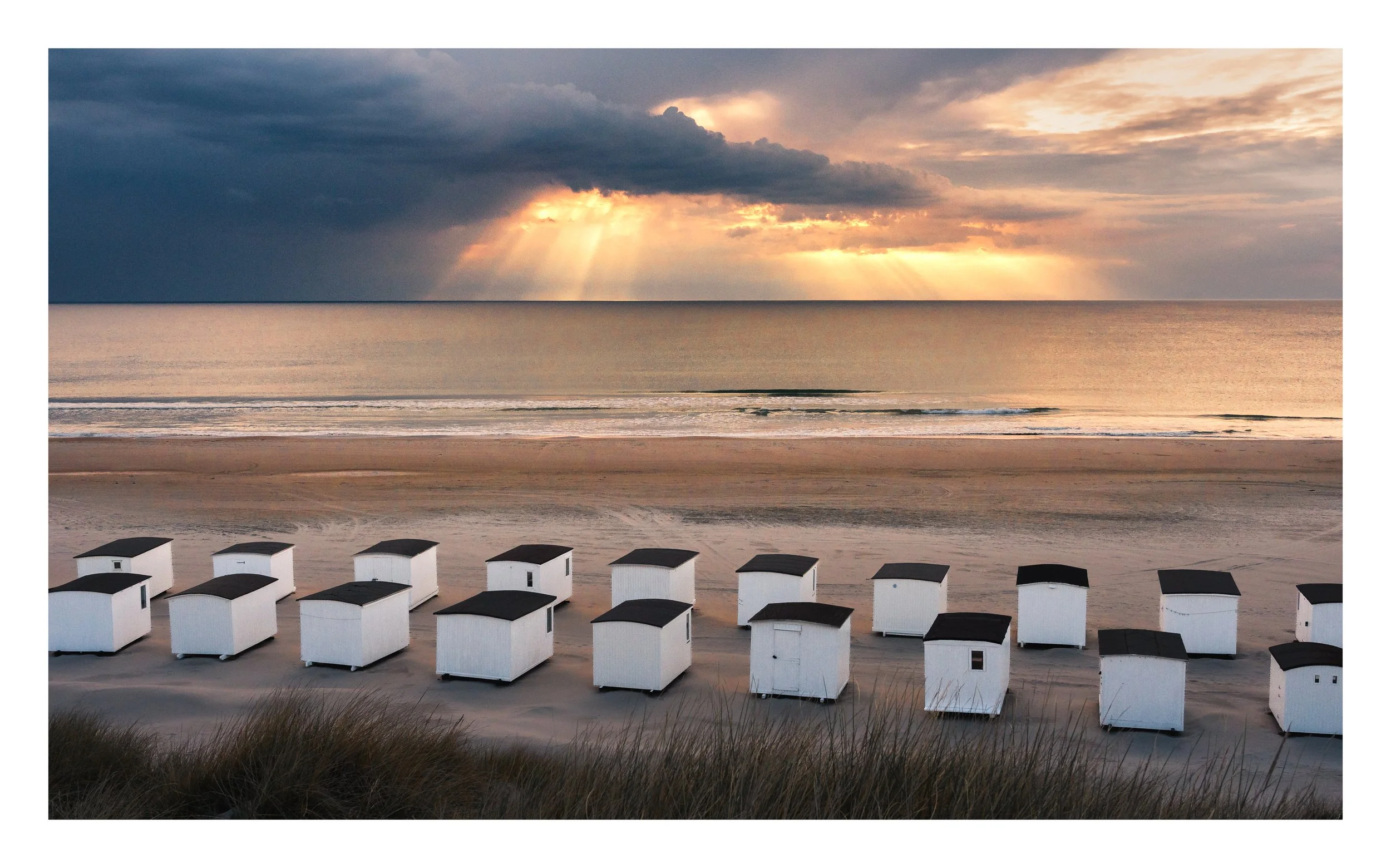
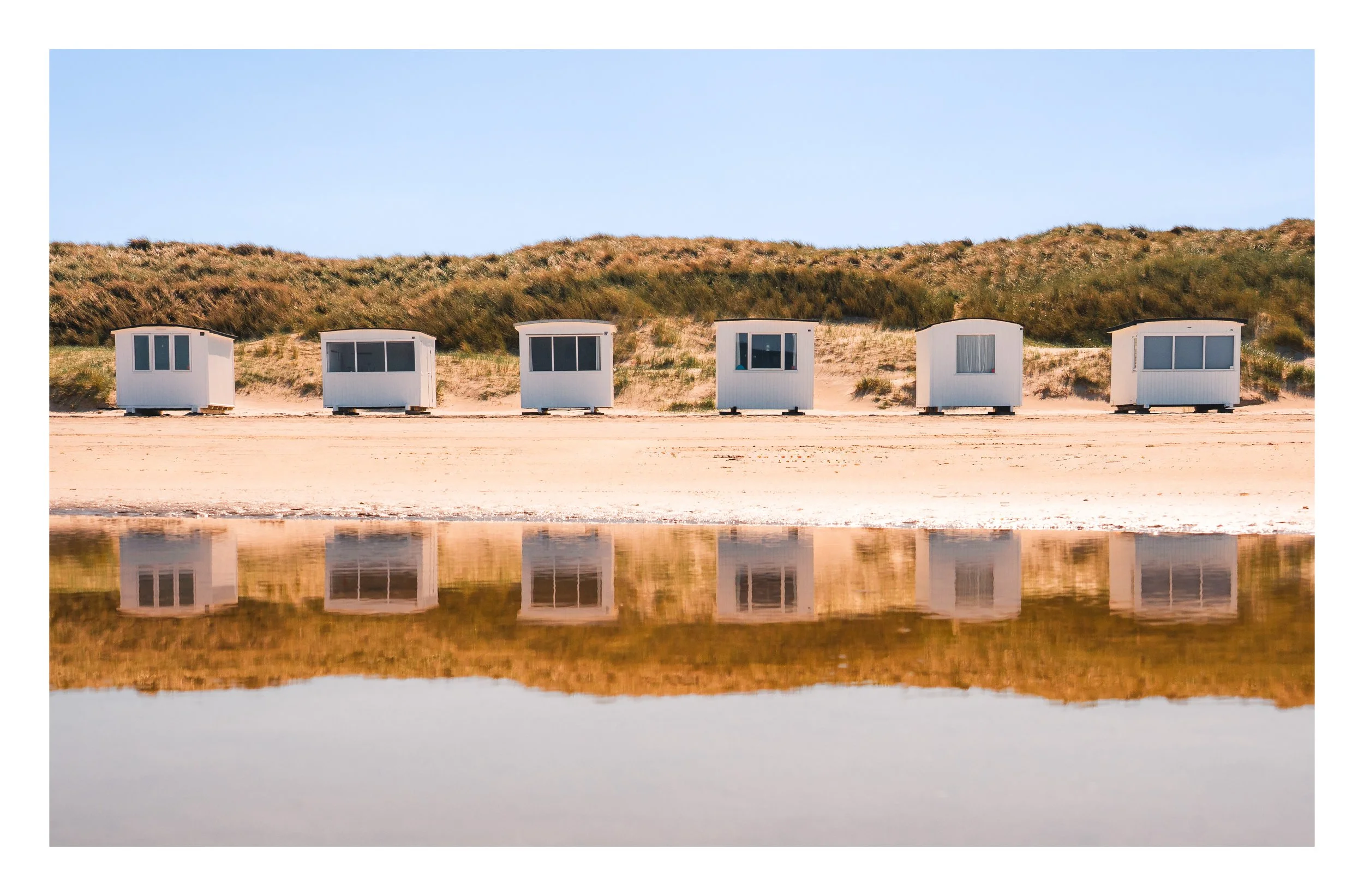
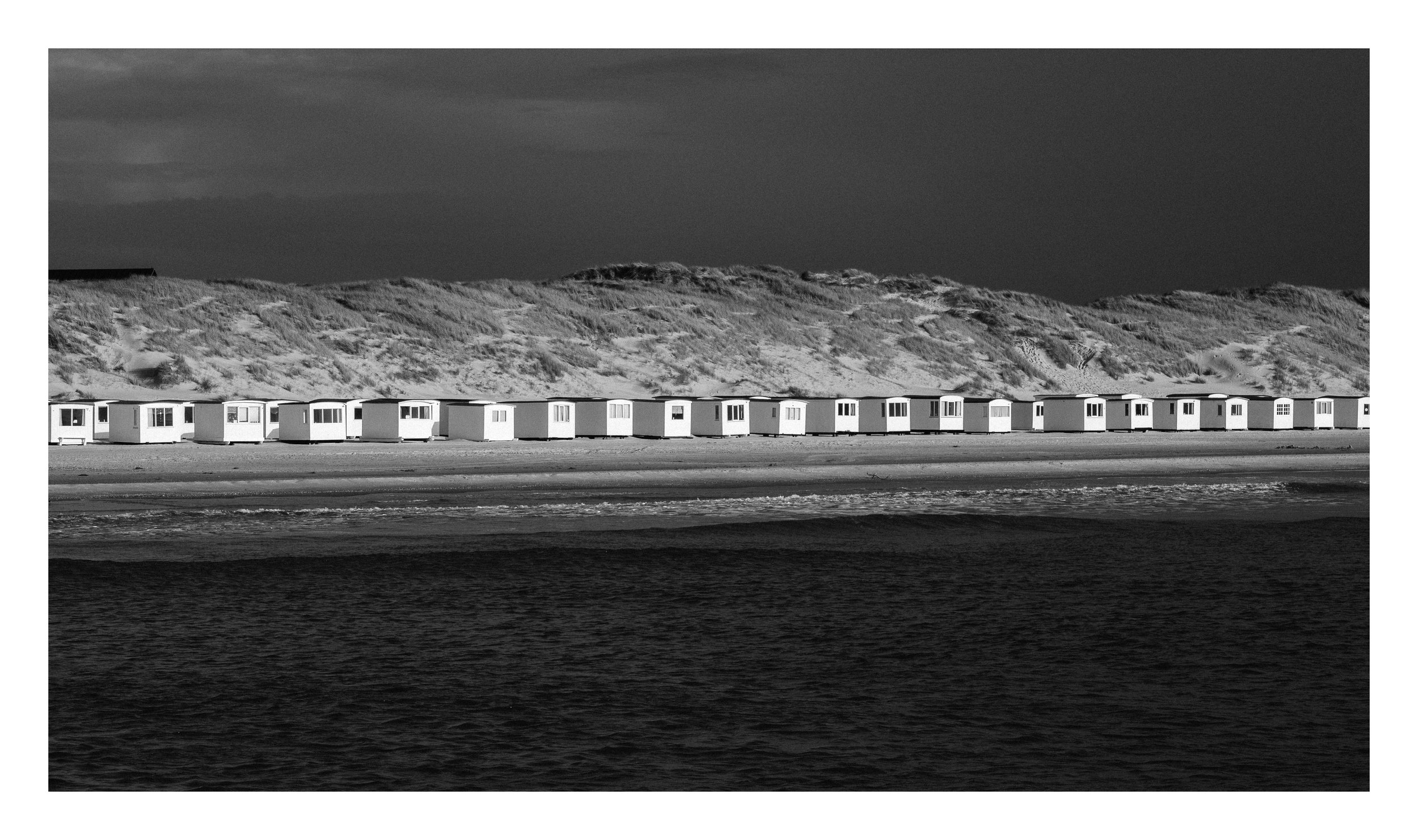
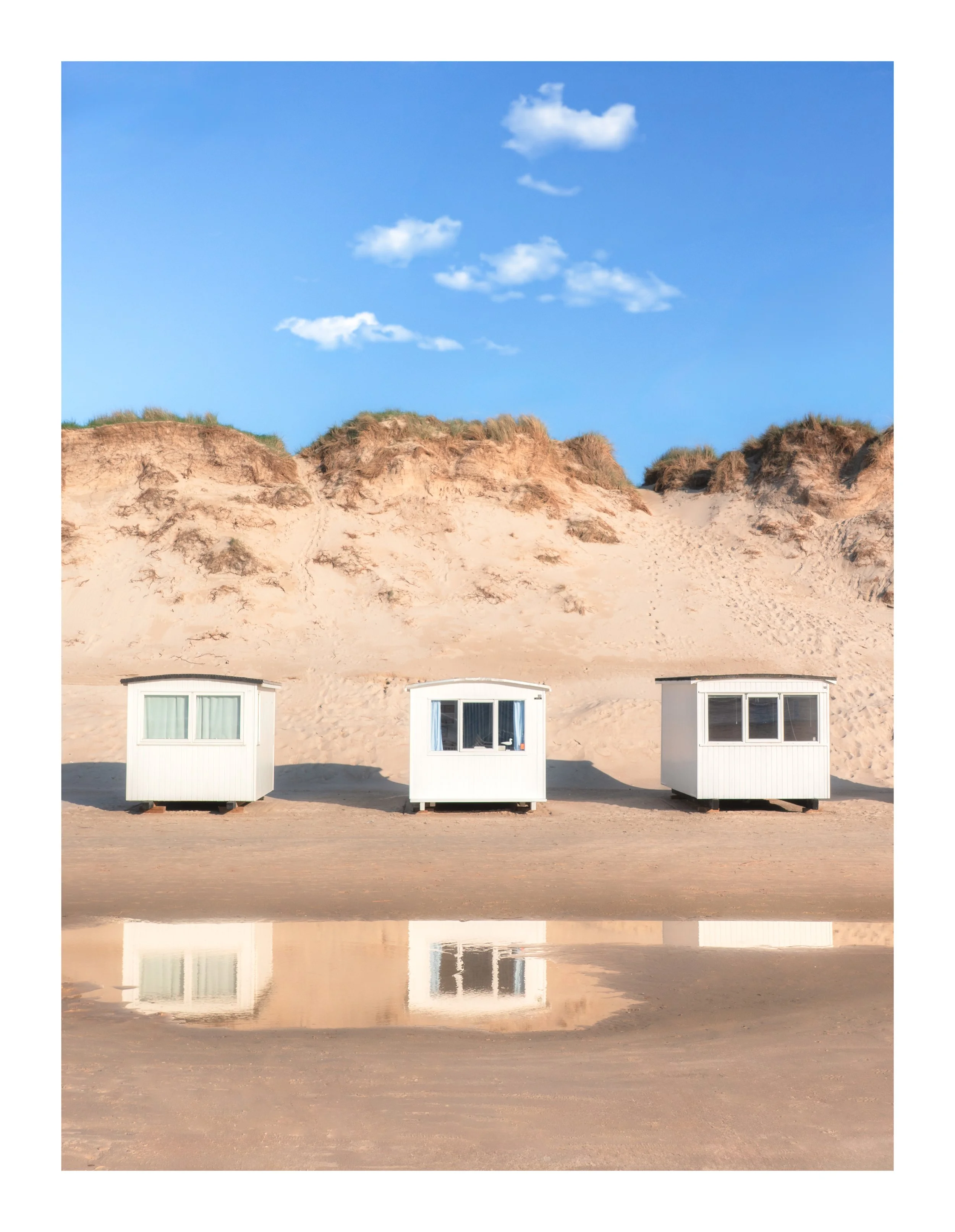
I found myself returning to the huts several times throughout the day. The early morning light created a calm and peaceful atmosphere, while the softer evening light added warmth and depth to the scene. Even under overcast skies, the bathing huts maintained their timeless character.
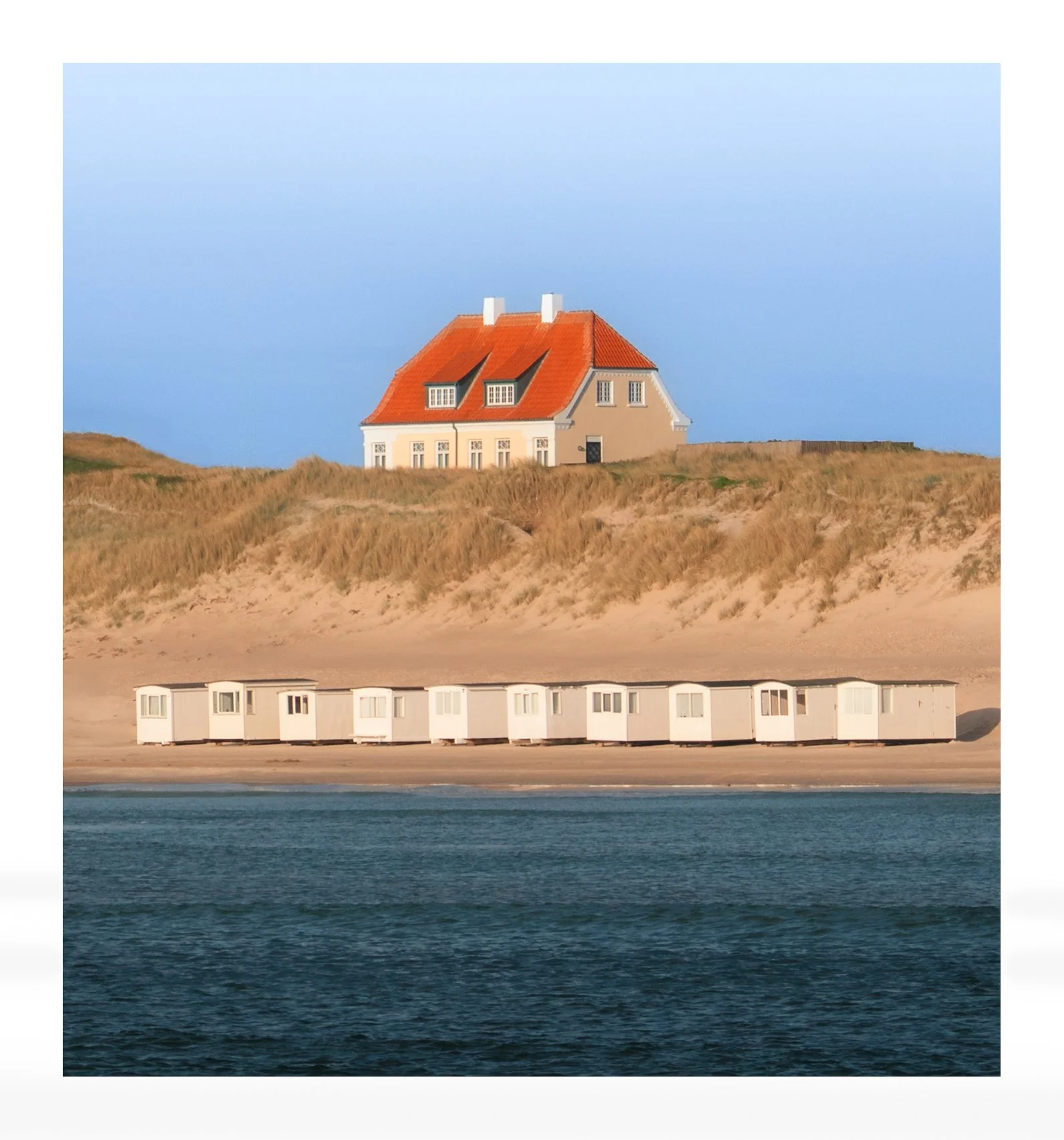
The soft evening light settled gently across the dunes of Løkken, illuminating the iconic bathing huts and the solitary house overlooking the North Sea. Moments like this are why photographers return to this coastline again and again—not for dramatic landscapes, but for the quiet beauty created when light, color, and simplicity come together.
Exploring Furreby Fort
Just north of Løkken lies Furreby Fort, one of the many remnants of World War II that can still be found along the Danish coastline.
The fort was part of the German Atlantic Wall, an extensive system of coastal defenses built during the Second World War. Stretching from Norway to the Spanish border, the Atlantic Wall was designed to protect occupied Europe from an Allied invasion. Around Løkken, bunkers and defensive positions were strategically placed to guard the coastline and monitor activity in the North Sea.
Today, many of these concrete structures remain partially buried in the sand, slowly being reclaimed by nature. Visiting Furreby Fort offers a fascinating contrast to the peaceful beach landscape surrounding it. The weathered bunkers stand as reminders of a darker chapter in European history, while at the same time providing unique photographic subjects.
As a photographer, I was drawn to the textures of the aging concrete, the geometric forms, and the way the soft coastal light interacted with these massive structures. The contrast between the harsh military architecture and the tranquil beach environment creates a powerful visual story.
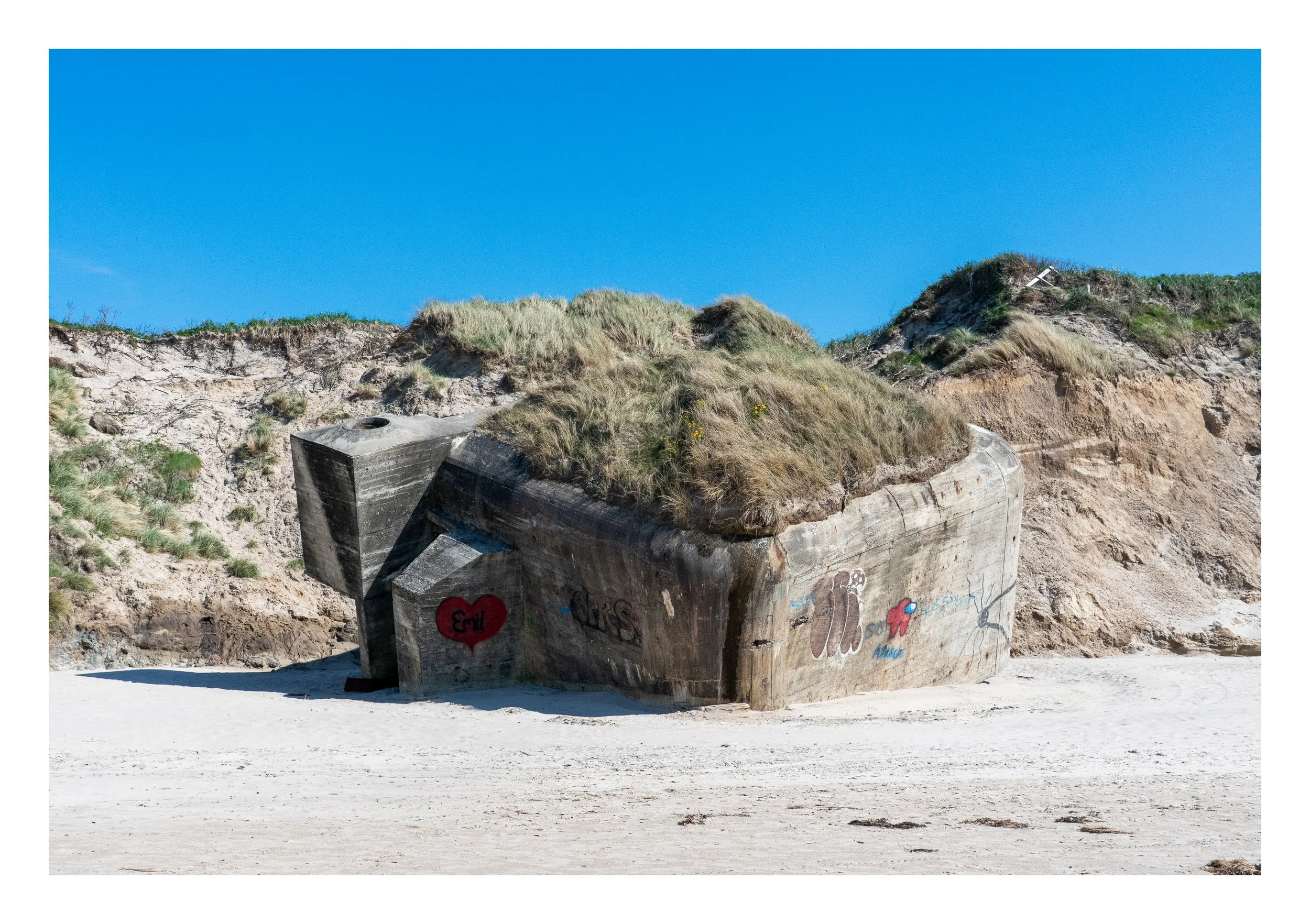
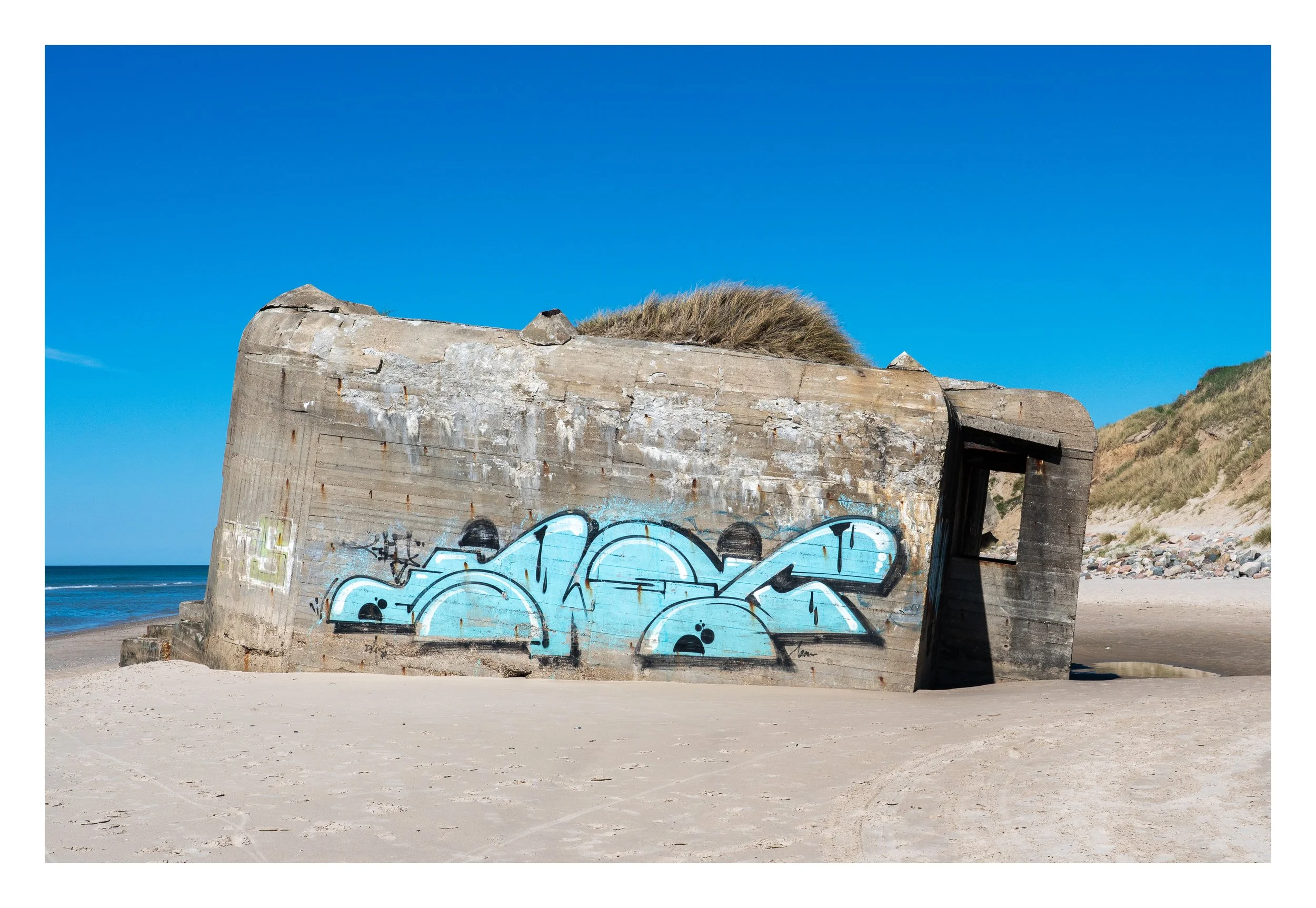
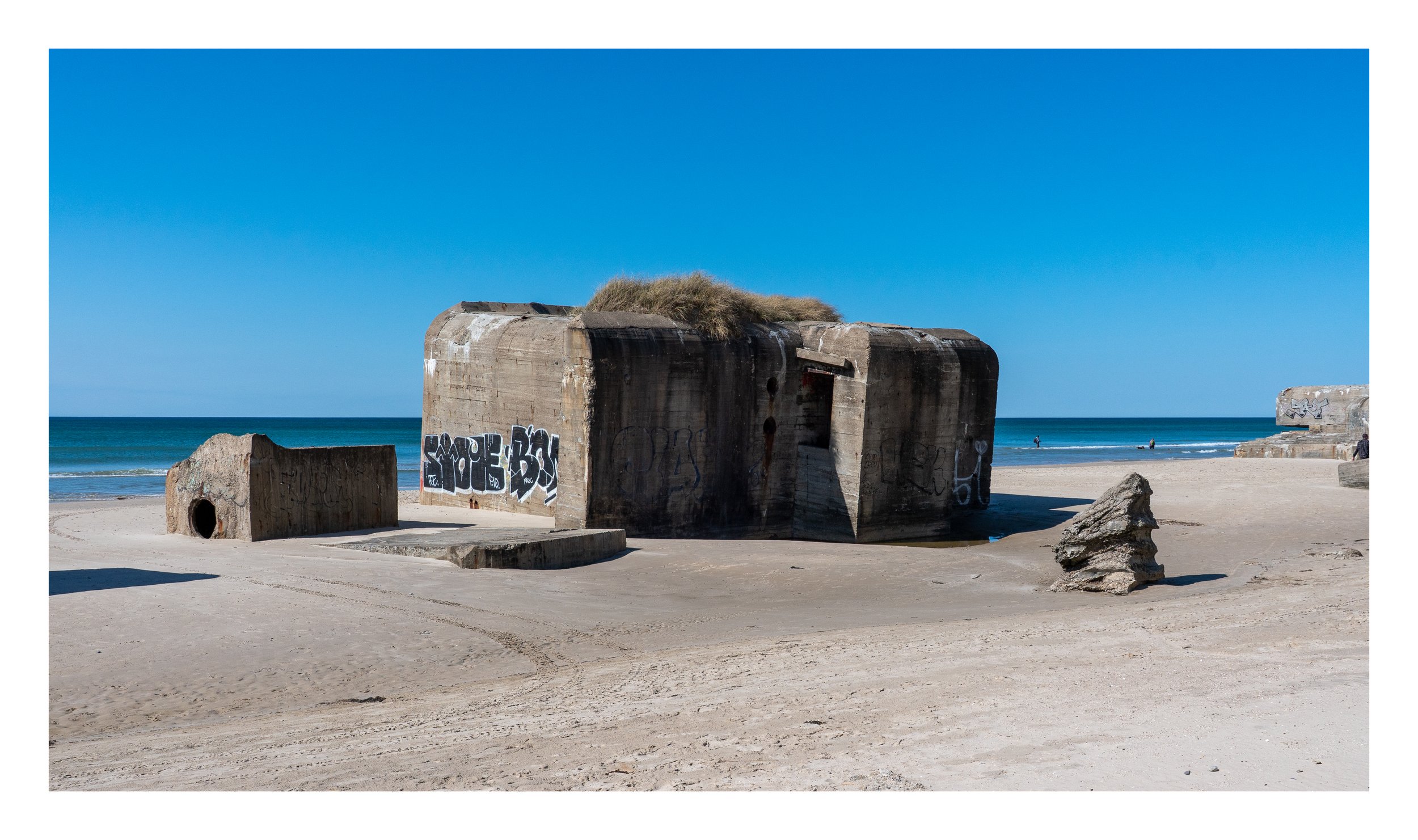
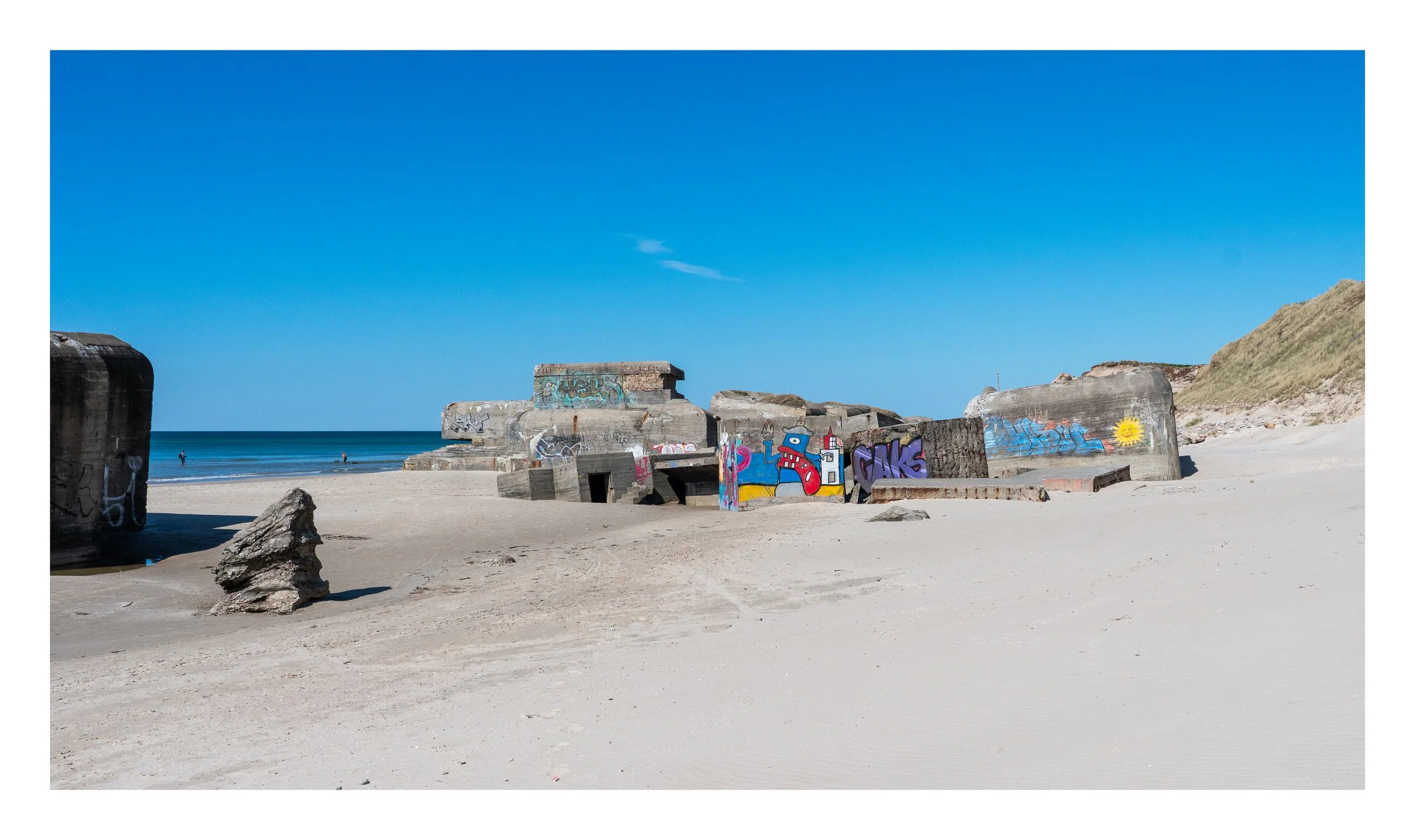

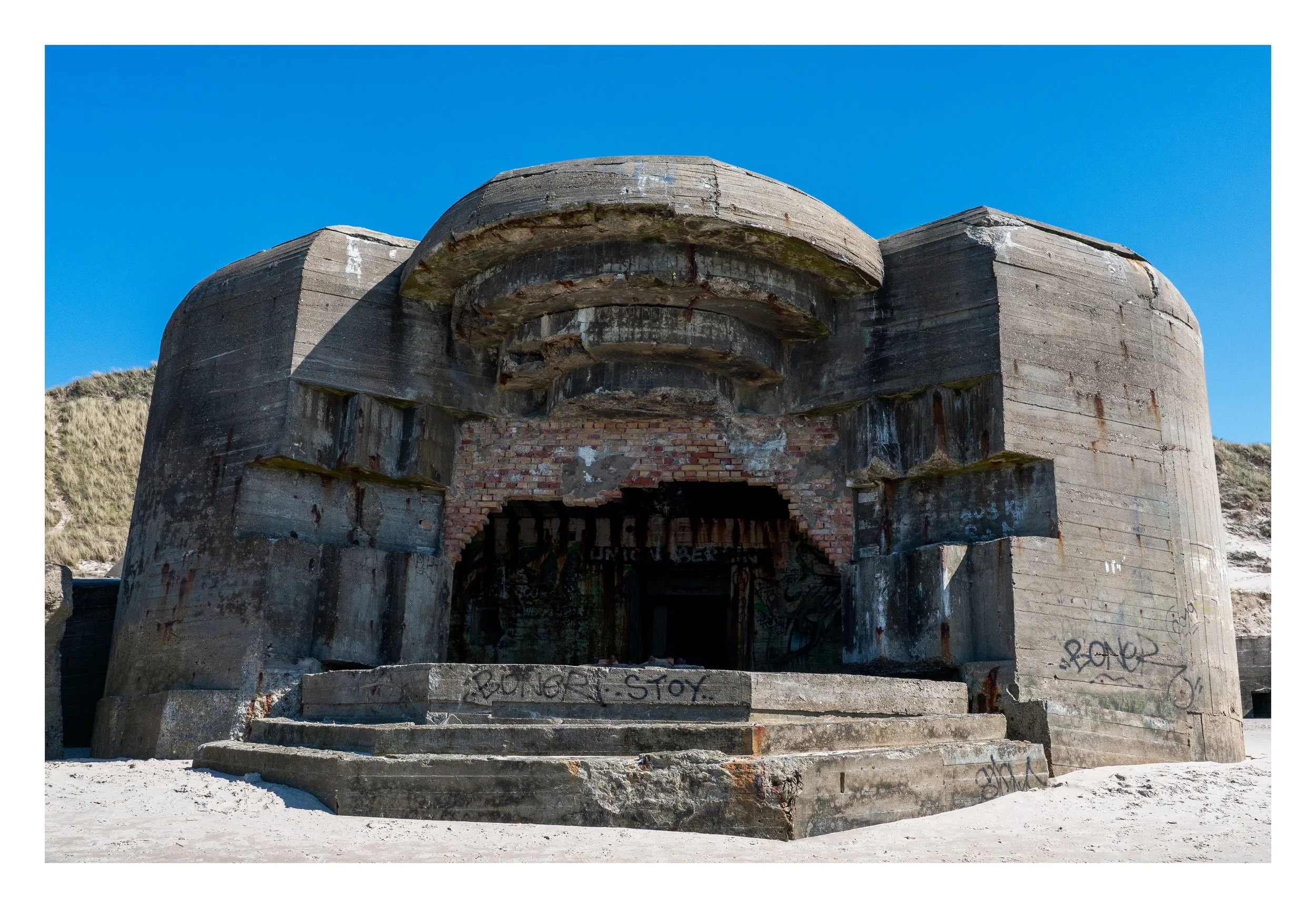
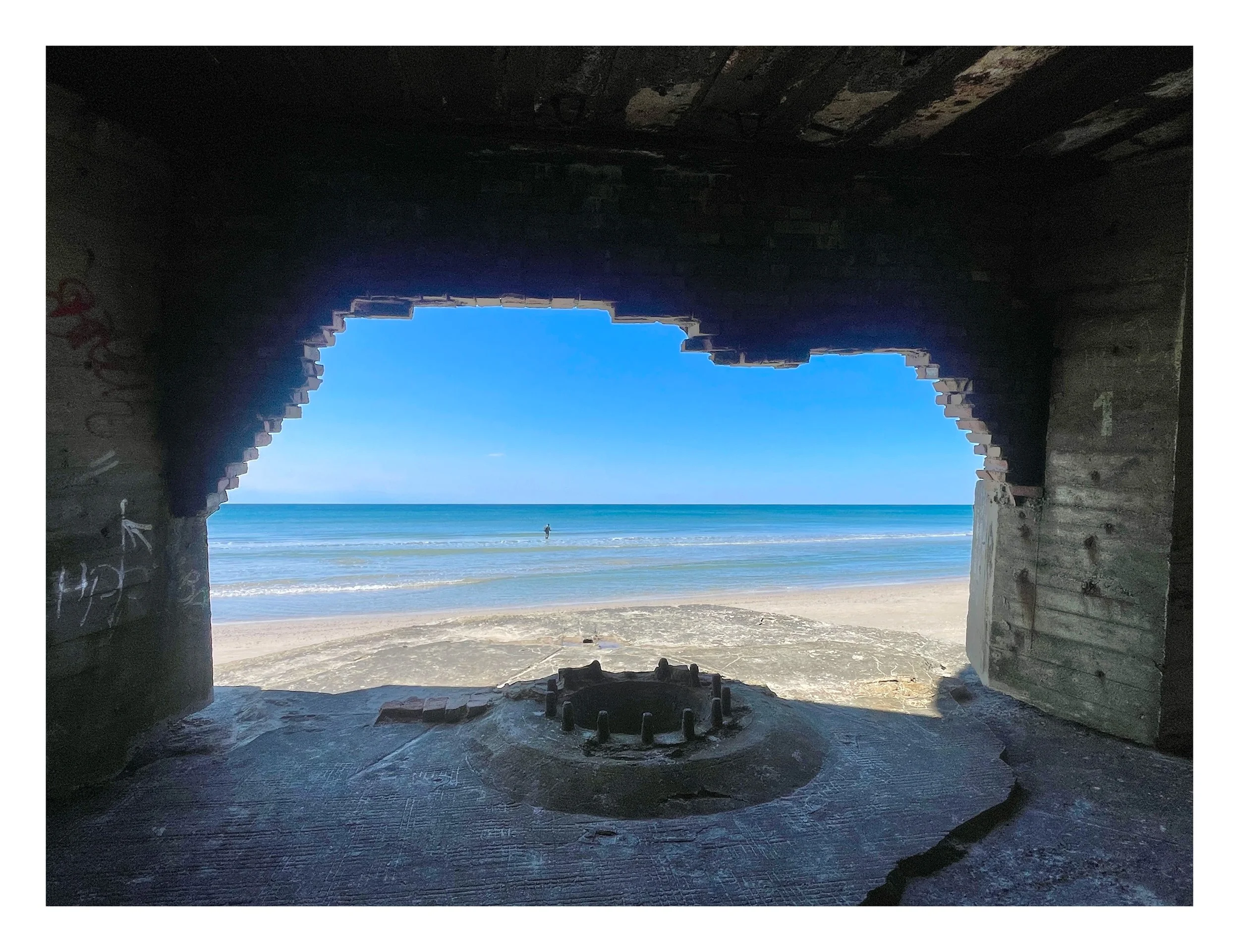
Iphone photo
Finding Calm Through ICM Photography
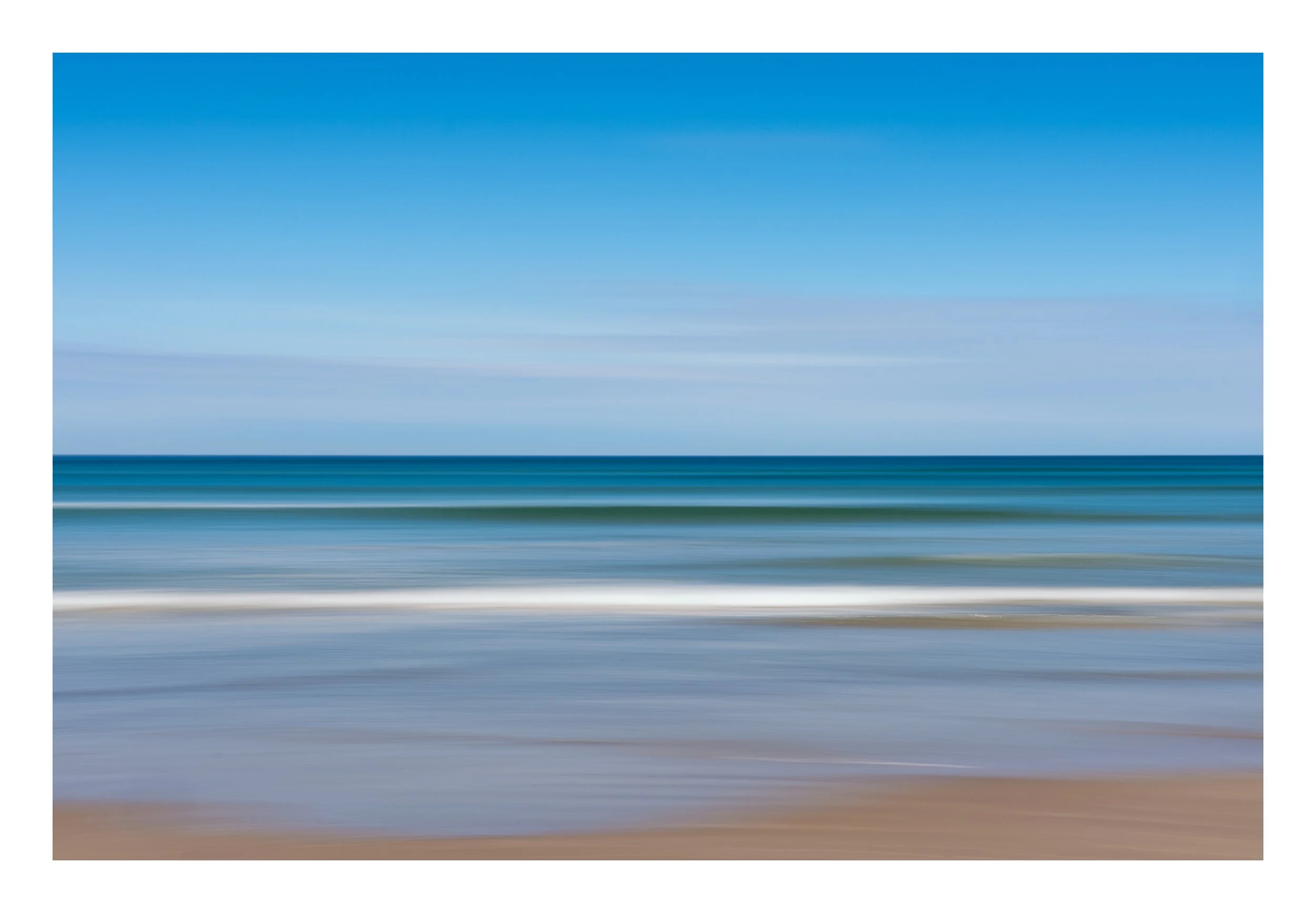
One of my favorite ways to photograph the sea is through Intentional Camera Movement (ICM).
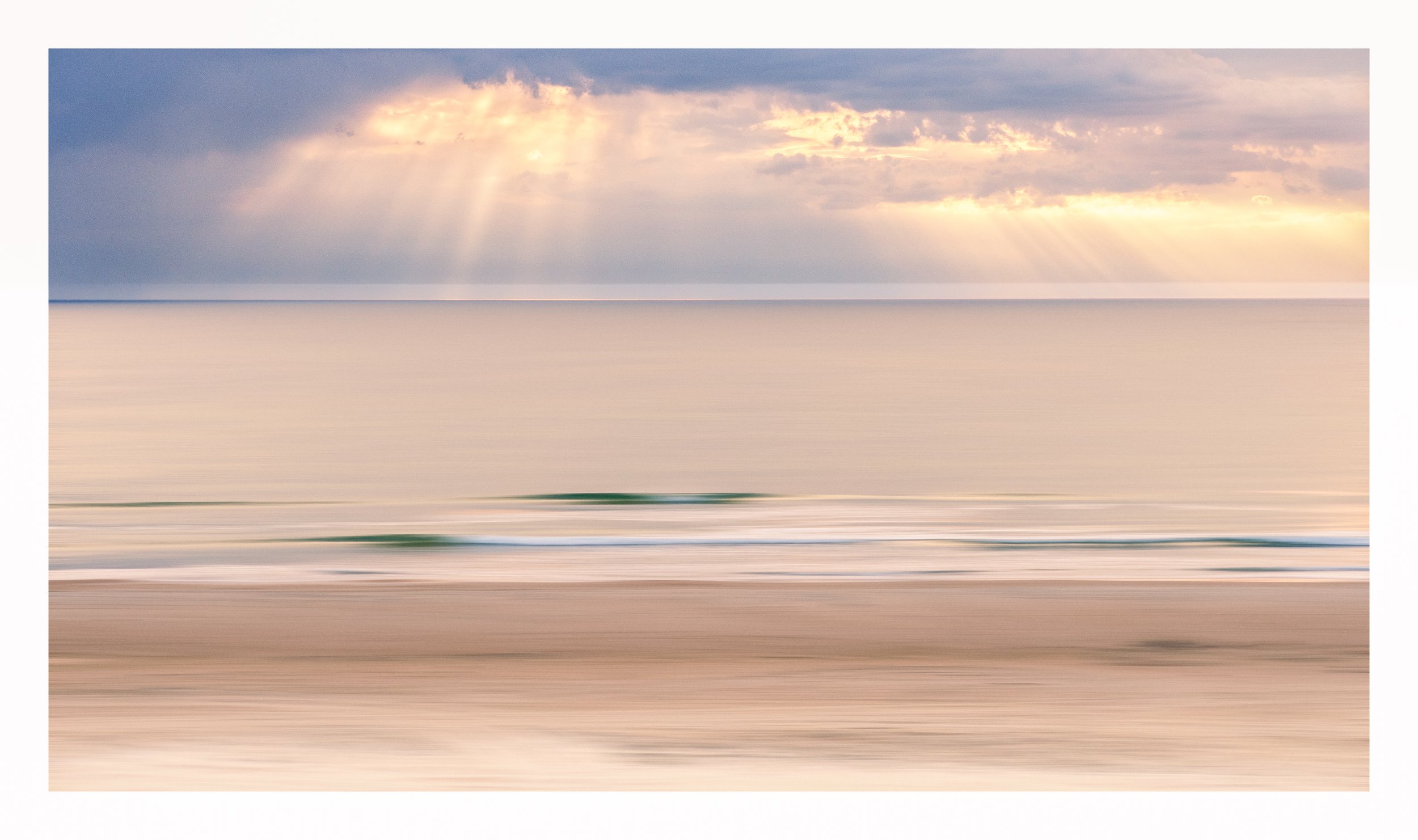
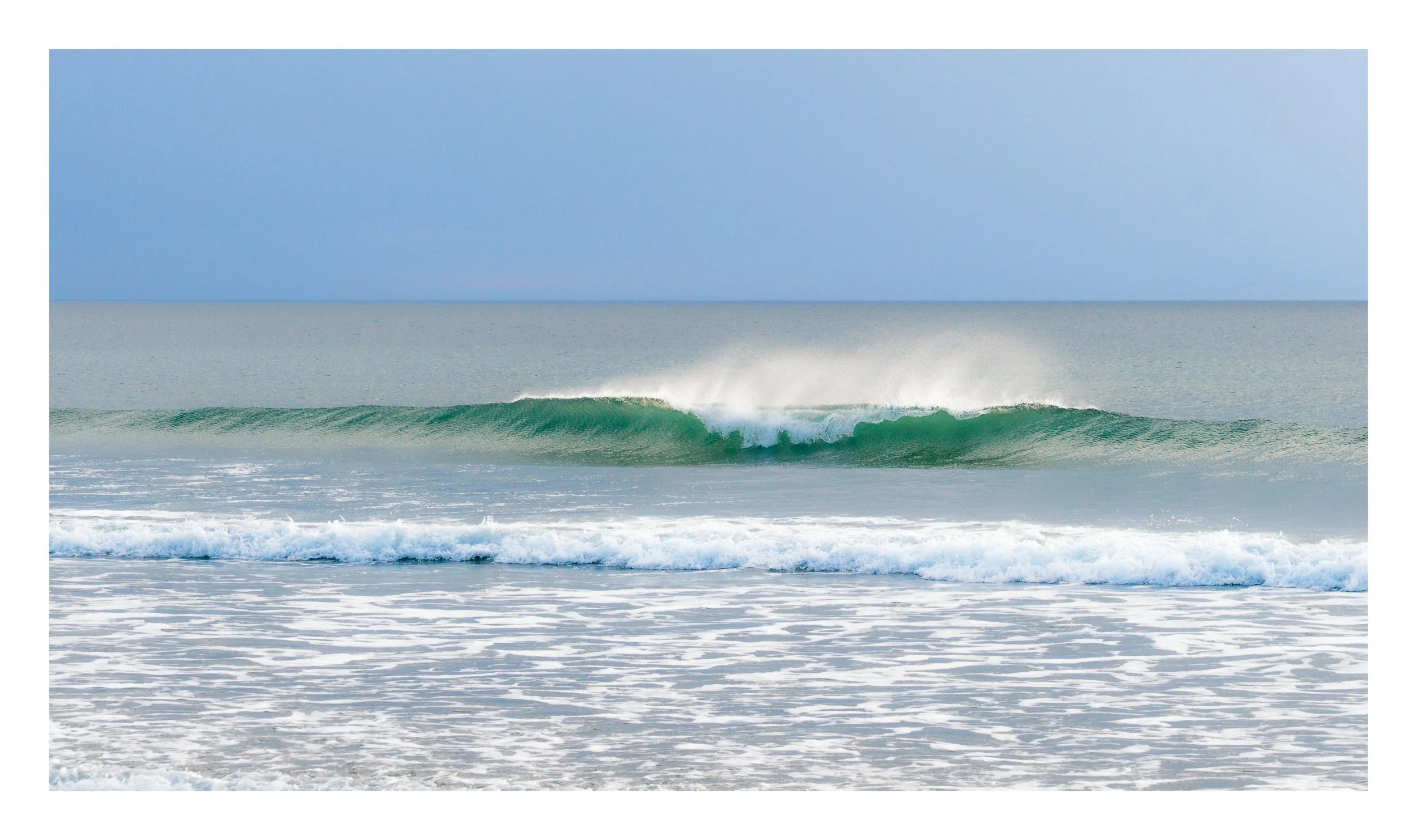
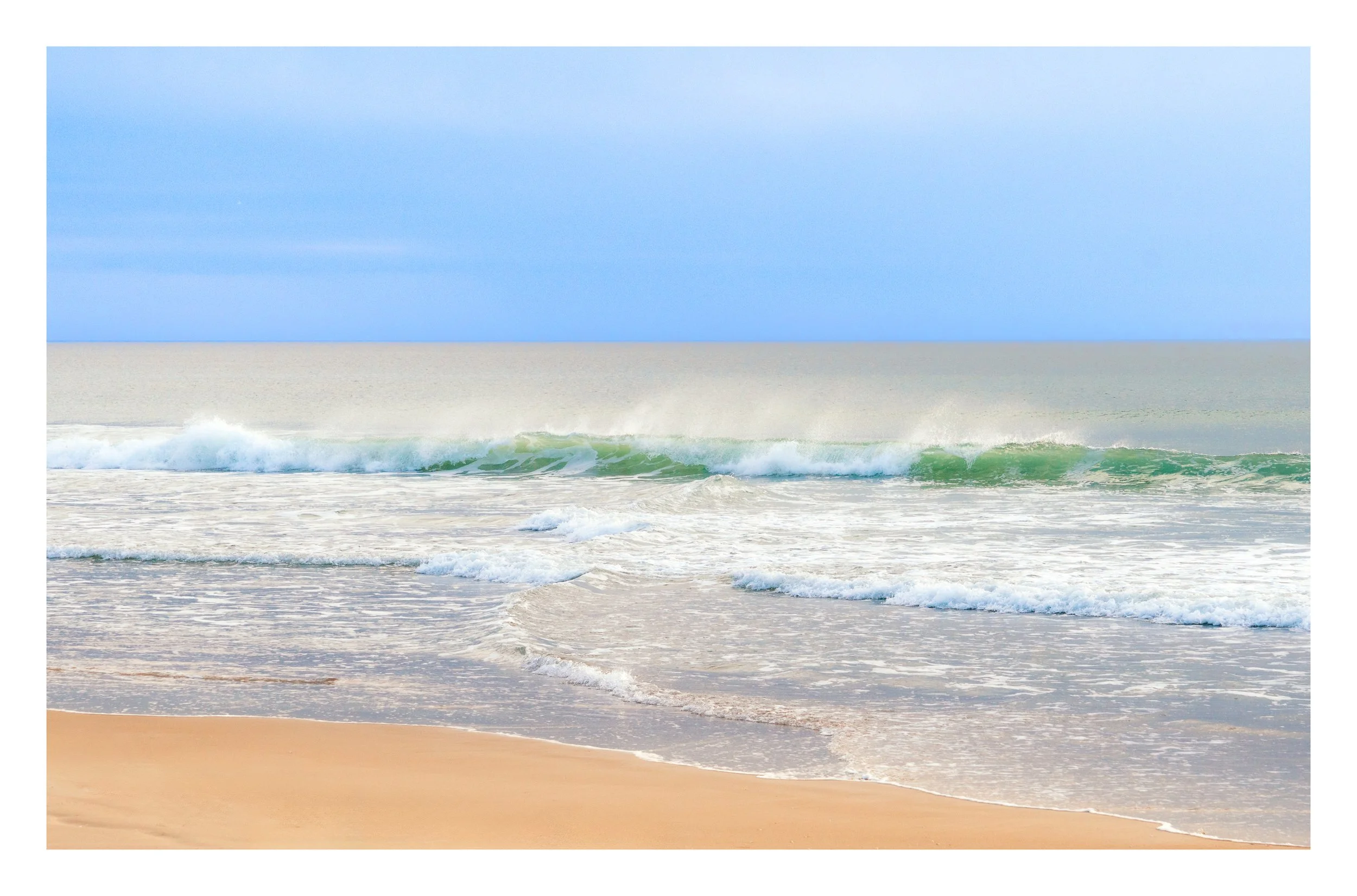
While many photographers focus on creating perfectly sharp images, I often find myself drawn toward a more abstract approach. Standing on the beach in Løkken, watching wave after wave roll toward the shore, I experimented with slow shutter speeds and gentle camera movements to capture not just the scene itself, but the feeling of being there.
There is something deeply calming about spending time by the ocean. The constant rhythm of the waves, the endless horizon, and the soft coastal light create an atmosphere that encourages you to slow down and simply observe. As the waves move across the sand, they produce a soothing soundtrack that seems to wash away the distractions of everyday life.
ICM photography feels like a natural extension of that experience. Rather than documenting every detail, it allows me to express the movement, mood, and emotion of a place. The resulting images become less about what the eye sees and more about what the mind remembers.
As I stood on the beach listening to the waves break along the shore, I found myself photographing less and observing more. Those moments of stillness are often just as valuable as the photographs themselves.
For me, Løkken was not only about chasing beautiful light. It was also about finding a sense of calm, appreciating the simple rhythm of the sea, and translating that feeling into images.
Photography Gear
For this trip, I kept my kit relatively simple:
Sony A7R III
Sony FE 24–105mm f/4 G OSS
Tamron 150–500mm
The 24–105mm handled most of the landscape and environmental images, while the Tamron allowed me to isolate details in the dunes, compress distant scenes, and capture more intimate compositions of the bathing huts and coastal landscape.
Final Thoughts
Løkken is not a destination that overwhelms you with dramatic scenery. Instead, it rewards patience.
It is a place where photography becomes less about chasing grand vistas and more about observing subtle changes in light, atmosphere, and mood. The beaches, dunes, bathing huts, and historic remains of Furreby Fort all contribute to a landscape that feels both timeless and deeply connected to its past.
For photographers, that may be exactly what makes Løkken special.
Sometimes the most memorable images come not from spectacular locations, but from places where the light quietly does all the work.